
Last updated October 30, 2026
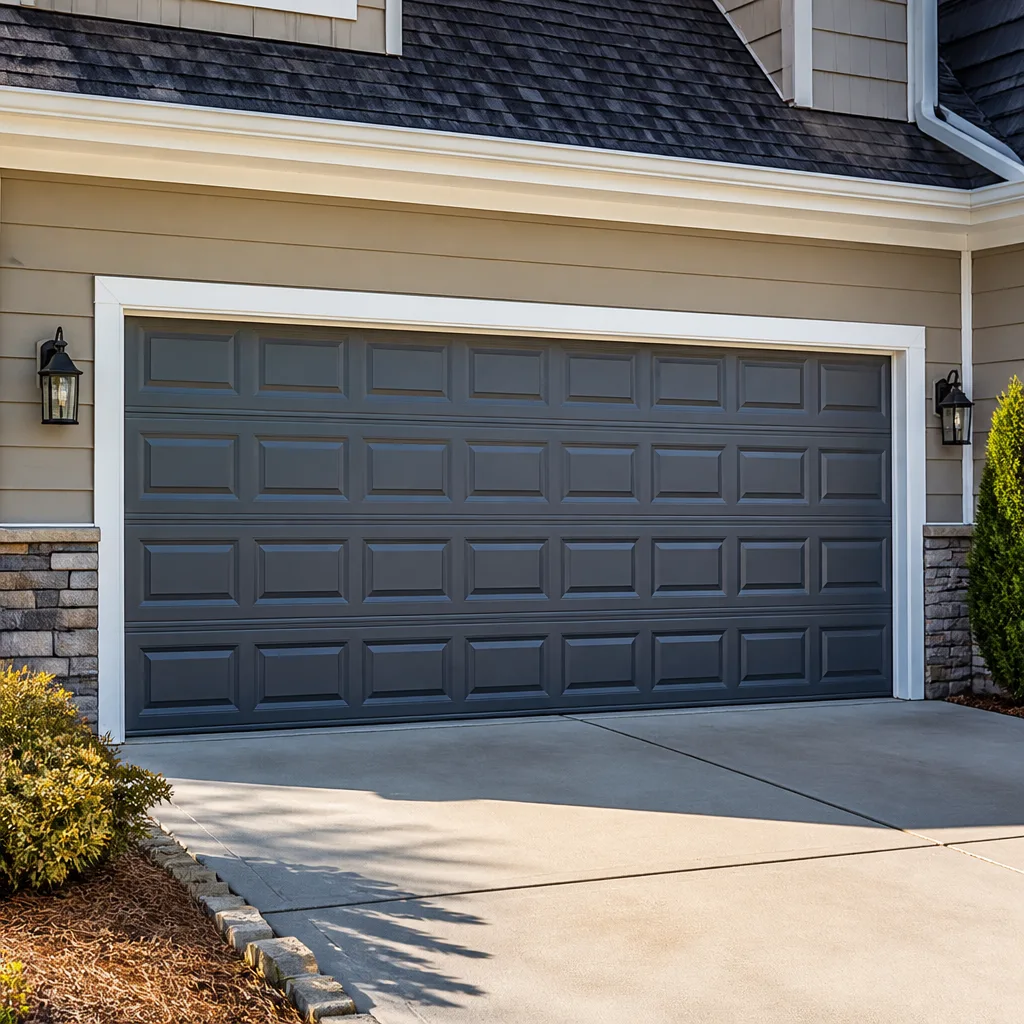 Raised-panel steel
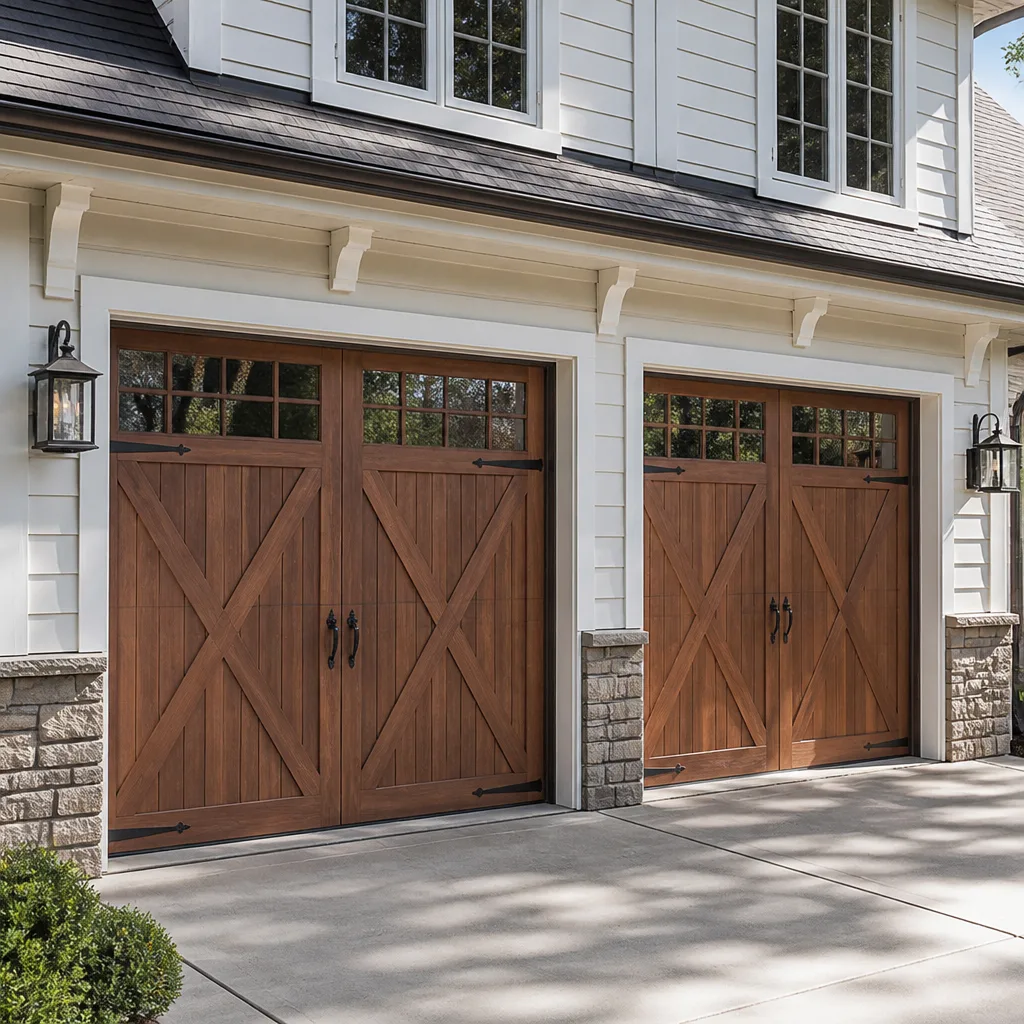 Carriage house
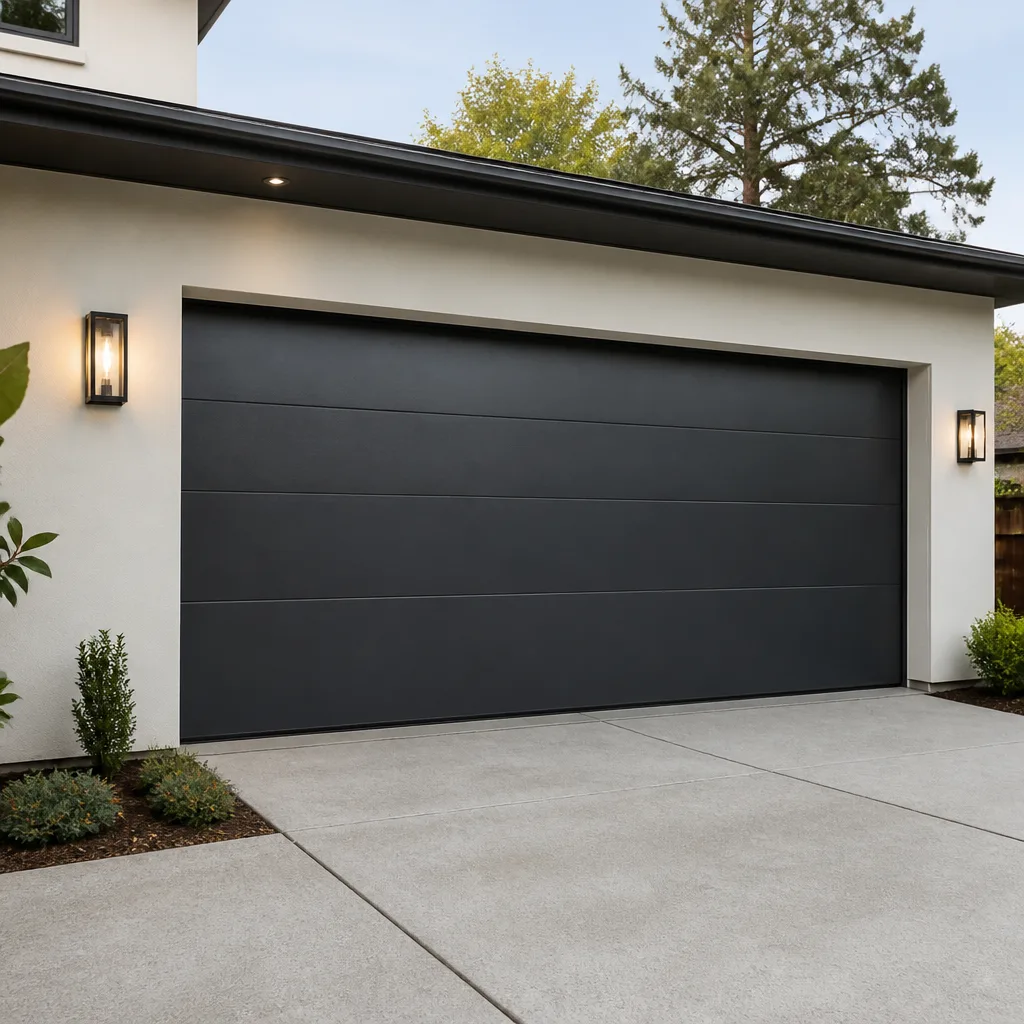 Modern flush
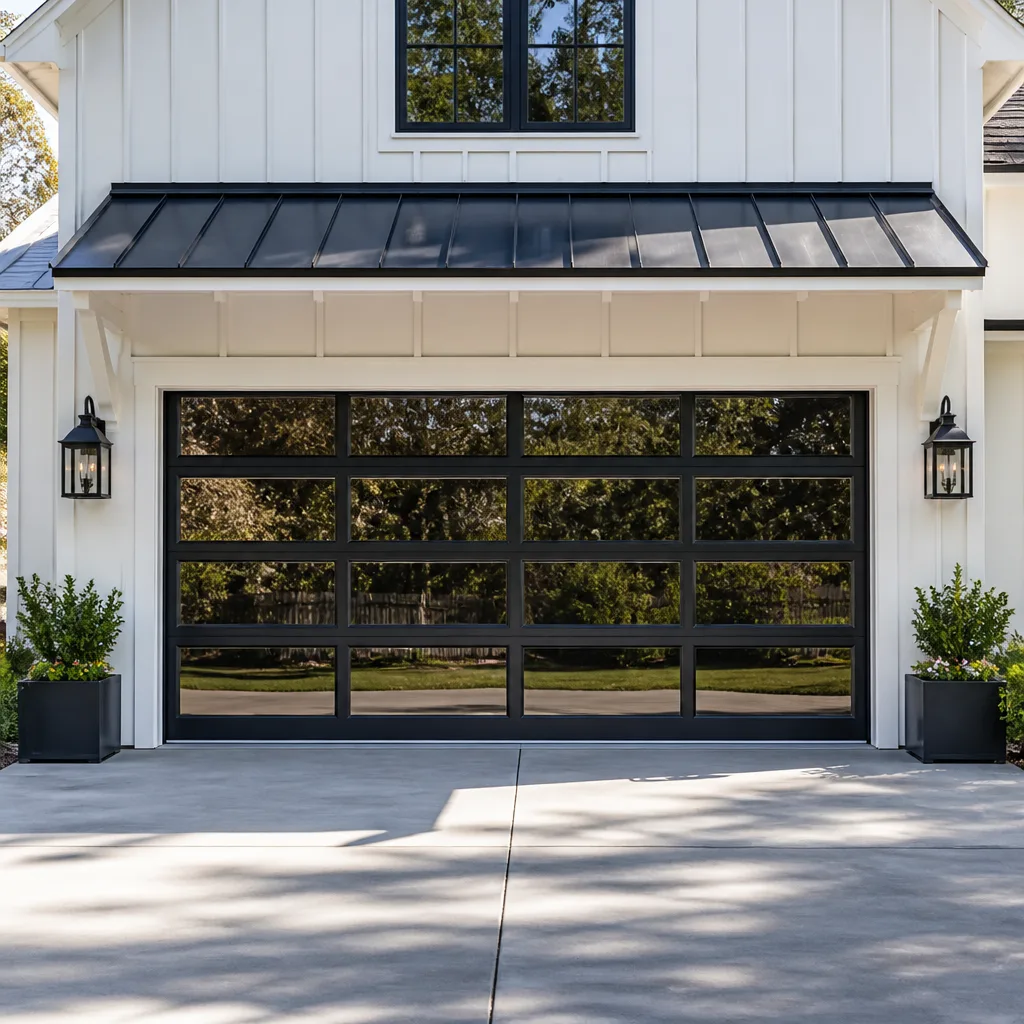 Full-view glass
 LiftMaster openers
 Chamberlain openers
Full 25-point door and opener safety check with every visit - springs, cables, rollers, tracks, and your LiftMaster or Chamberlain opener included
You get a price before we start. It does not change when the truck arrives.
Get your free estimateSeasonal Garage Door Care for Carlsbad: Year-Round Homeowner’s Guide
If you’ve searched “seasonal garage door maintenance” and found advice about snow loads and sub-zero lubricants, you’ve hit the wrong coast. Carlsbad doesn’t freeze, but it does something sneakier: the marine layer settles into your torsion springs for weeks at a time, Santa Anas blast grit into your tracks, and UV radiation bakes your panels year-round. The result is a garage door that fails not from dramatic storms, but from four slow, predictable stress cycles. This guide maps those cycles to specific components and gives you a maintenance rhythm that fits how Carlsbad weather actually works.
Styles & brands we work with
Quick Answer
Seasonal garage door care in Carlsbad means adjusting maintenance for four local stress periods: marine layer humidity (spring/early summer), Santa Ana wind season (fall), dry heat spikes (late summer), and winter rain. The core tasks are lubricating rollers and hinges quarterly, inspecting springs and cables monthly, cleaning and checking seals before wind and rain seasons, and refreshing UV protection on wood doors every 12-18 months. Most homeowners can handle lubrication and visual checks themselves; spring and cable work should always go to a trained technician.
Table of Contents
- Carlsbad’s Real Seasons: A Climate Calendar for Your Garage Door
- Marine Layer Season: What Humidity Does to Springs and Hardware
- Santa Ana Wind Prep: Seals, Tracks, and the Grit Problem
- Year-Round UV Protection for Coastal Garage Doors
- Winter Rain: Post-Storm Inspection for Carlsbad’s Drainage Reality
- The Quarterly Lubrication Schedule That Prevents Most Repairs
- The 10-Minute Monthly Visual Inspection
- Common Mistakes to Avoid
- When to Call a Professional
- Frequently Asked Questions
- The Bottom Line
Carlsbad’s Real Seasons: A Climate Calendar for Your Garage Door
Forget the four seasons you learned in school. For a garage door in Carlsbad, the year breaks into four distinct stress windows that don’t match the calendar. Here’s what we see across La Costa, Bressi Ranch, Calavera Hills, and the older neighborhoods near the village:
- Marine Layer Season (May through July): Weeks of overcast mornings with 80-95% humidity. Moisture sits on exposed metal, works into roller bearings, and accelerates surface rust on springs. This is the season when a door that was fine in April starts squeaking in June.
- Dry Heat Spikes (August through October): Low humidity, direct sun, and ambient temps that push metal to expand. Wood and wood-composite doors dry out, contract, and can develop hairline cracks. Lubricants thin out faster. Rubber seals can get brittle.
- Santa Ana Wind Season (October through December, peaking November): Gusts that hit 40-60 mph in the canyons. The bottom seal takes direct hits of wind-driven dust and sand. Loose panels rattle. A door that is slightly out of balance gets stressed at a level you won’t see the rest of the year.
- Winter Rain (December through March): Intermittent but intense rainfall. Water pools where drainage is poor. The bottom seal is your only defense against water seeping under the door. Wood frames swell. Rust accelerates on exposed hardware after each wet spell.
Each of these periods asks for a different kind of attention. The sections below walk through what to do in each one, when to do it, and what to listen for before a small problem becomes a spring replacement. If you’d rather have a pro handle any of these checks, our garage door repair service in Carlsbad covers every brand and every season.
Marine Layer Season: What Humidity Does to Springs and Hardware
The June Gloom isn’t just a mood. In Carlsbad, the marine layer brings 60-80% relative humidity that lingers for weeks, and that moisture has a real effect on your garage door. Torsion springs are made of oil-tempered steel, and while modern springs have a thin protective coating, that coating wears over time. Once moisture reaches bare metal, surface rust forms. Rust on a torsion spring isn’t cosmetic, it creates micro-pitting that weakens the spring at stress points. A spring that has been quietly corroding through several marine layer seasons is a spring that snaps on an ordinary Tuesday in August.
What to Listen For in May, June, and July
Your ears are the fastest diagnostic tool during marine layer season. Here’s a step-by-step way to check:
- Open the garage door manually (pull the release cord) and listen carefully as it goes up and down.
- A smooth, quiet door means rollers and hinges are still lubricated and springs are holding tension evenly. Nothing to do.
- A grinding or metallic scraping sound usually means roller bearings are dry or failing. In marine layer season, moisture has likely washed out the lubricant or introduced grit into the bearing race.
- A creaking or groaning from above the door often points to the torsion spring losing its lubrication. A dry spring creaks under tension. This is an early warning before breakage.
- A rhythmic clunk or thump as the door moves suggests a bent roller or misaligned track, often made worse when humidity swells wooden door panels slightly.
If you hear metal-on-metal scraping from the spring area, don’t attempt to lubricate the spring yourself if you don’t know what you’re doing, a torsion spring under tension is dangerous. Have a technician inspect it. For rollers, hinges, and tracks, a silicone-based lubricant applied sparingly to the roller bearings (not the track itself) often resolves the noise. We recommend doing this before the marine layer fully settles in, around April or early May, so your hardware enters the humid season with a protective film.
Santa Ana Wind Prep: Seals, Tracks, and the Grit Problem
Santa Ana winds come off the desert, not the ocean. That means they’re dry, fast, and loaded with fine dust and sand. In Carlsbad, the wind tends to be strongest in the foothill neighborhoods and anywhere with an east-west canyon alignment. For your garage door, the Santa Ana season causes a particular type of wear that other climates don’t see. Here’s the priority list:
1. Bottom Seal Inspection and Replacement
The bottom seal is a U-shaped rubber or vinyl strip that runs along the bottom edge of the door. During Santa Ana events, wind-driven dust gets under the door and abrades the seal against the concrete. A worn bottom seal lets dust in, lets conditioned air out, and makes your garage a magnet for every leaf and twig in the neighborhood. Check it by closing the door and looking for daylight under the edges. If you see gaps, it is time to replace the seal. This is a relatively inexpensive part and one of the highest-value maintenance items in Carlsbad’s wind season.
2. Side Seal and Weatherstripping Check
The side seals, also called jamb seals or weatherstripping, run along the vertical edges of the door opening. High winds press the door against these seals and can tear or dislodge them, especially if the door has any lateral play in its tracks. Run your hand along both side seals with the door closed. Any tears, gaps, or brittleness mean the seal isn’t doing its job. Wind-driven rain during a winter storm frequently pairs with Santa Ana damage to these seals, so fixing them in October or early November prevents water damage in January.
3. Track Alignment Under Wind Load
Repeated gusts push and pull on the door panels. If the door is even slightly out of balance, wind pressure amplifies the misalignment. Listen for rattling or knocking during windy nights. After a major Santa Ana event, open and close the door a few times and watch the rollers in the tracks. They should move smoothly without binding. If the door shudders or hangs up, a track tightening or roller replacement is in order. Our Carlsbad garage door repair calls spike every November for exactly this, and it is always cheaper to fix a slightly loose track than a fully derailed one.
Year-Round UV Protection for Coastal Garage Doors
Carlsbad gets around 263 sunny days a year, and the UV index runs high from March through October. For metal doors, UV exposure mostly affects the paint finish, causing fading and chalkiness. For wood and wood-composite doors, UV is a structural threat. It breaks down the lignin in wood fibers, leading to cracking, warping, and delamination of composite panels. We’ve seen wood doors in coastal Carlsbad neighborhoods lose their finish in under two years without protection.
What to Use and How Often
- Painted steel or aluminum doors: Wash with mild soap and water twice a year. Apply an automotive-grade paste wax or polymer sealant annually to slow oxidation. Touch up scratches with matching paint before rust has a chance to start.
- Wood doors (cedar, redwood, hemlock): Apply a UV-inhibiting exterior spar varnish or penetrating oil finish every 12-18 months. West-facing doors in full afternoon sun may need reapplication every 12 months. In our experience, doors in the La Costa and Aviara areas, which get more inland sun exposure, fade faster than doors closer to the marine layer near the village.
- Wood-composite doors: Most composite panels have a factory finish rated for 10-15 years, but that rating assumes an average climate. In Carlsbad’s UV load, plan to inspect the finish annually and re-coat any areas that look chalky or faded. Catching it early extends the panel life significantly.
UV damage never happens overnight. It is a slow fade, then a crack, then a split panel that needs replacement. The fix is consistency, not intensity. One good coat every year beats a dramatic restoration every five years.
Winter Rain: Post-Storm Inspection for Carlsbad’s Drainage Reality
Carlsbad’s winter rain comes in bursts. You’ll get a dry week, then two inches in an afternoon. The garage door’s defense against water has three main components: the bottom seal, the drainage gap, and the wood jamb. After any significant rain event, here’s the checklist we recommend:
- Check the bottom seal for water streaks or debris. With the door closed, look for moisture on the inside edge of the seal. If water is getting under the door, the seal is either worn, compressed, or the concrete has shifted.
- Clear the drainage gap. The small gap between the bottom of the door and the concrete should be free of leaves, mud, and pebbles. In Carlsbad’s older neighborhoods with mature eucalyptus trees, this gap fills with leaf litter quickly and then water backs up against the door.
- Inspect the wood jamb for swelling or paint bubbling. When the side seals fail, water wicks into the wood framing around the door. Swelling jamb wood makes the door stick and can throw the track out of alignment over time.
- Look for rust on hinges, springs, and tracks. After a wet spell, especially one following a dry stretch, any exposed metal without protection will start to show surface rust. A quick wipe-down and a light lubricant application within a day or two prevents that rust from becoming pitting.
- Test the door balance after a heavy storm. Pull the release cord and lift the door manually. It should move smoothly and stay in place about halfway up without drifting. If it feels heavy or falls, the springs may be weakening, which can be accelerated by moisture exposure.
If any of these checks reveal damage, do not wait until the next storm to address it. Water intrusion into the garage, even at a slow trickle, warps panels and ruins stored belongings. Call a Carlsbad garage door repair professional to resolve the problem before the next rain cycle.
The Quarterly Lubrication Schedule That Prevents Most Repairs
Most garage door repairs follow a pattern: a part was under-lubricated, ran dry, wore unevenly, and then failed. The fix for that pattern is a simple quarterly maintenance routine. You don’t need to be a mechanic, and the whole process takes about 15 minutes. Here’s the schedule and the exact points to lubricate:
What to Lubricate Quarterly
- Rollers: Apply a small amount of silicone or lithium-based spray lubricant to the ball bearings inside each roller. Do NOT lubricate the track itself, a greasy track collects grit and causes the rollers to slide instead of roll, which wears everything faster.
- Hinges: The hinges that connect each panel have pivot points that need a light lubricant. You’ll see them move as the door operates.
- Torsion spring: A light coat of garage door spring lubricant or silicone spray along the length of the spring prevents the creaking that signals dry metal. Be careful not to touch the spring itself, spray from a distance.
- Locks and latches: A small shot of dry graphite or silicone lubricant keeps handle mechanisms from seizing, especially after marine layer season.
- Opener rail and chain or belt: For chain-drive openers, a light chain lubricant keeps it quiet. Belt-drive openers need little lubrication, but the rail itself benefits from a wipe-down and a thin silicone film. If you have a LiftMaster, Chamberlain, or Genie opener, follow the manufacturer’s recommendation for the drive type.
What NOT to Lubricate
- Tracks: As mentioned, lubricating tracks is one of the most common mistakes we see. The rollers should turn freely; the track should stay clean and dry.
- Bottom seal: Lubricant breaks down rubber over time.
- Opener motor housing: Nothing inside a sealed motor unit needs homeowner lubrication.
Doing this routine in early January, April, July, and October aligns your lubrication with the start of each of Carlsbad’s stress seasons. It’s a mindless habit once you set a calendar reminder, and it prevents the majority of what we see in garage door opener repair calls across Carlsbad.
The 10-Minute Monthly Visual Inspection
Lubrication is quarterly, but a quick visual check is monthly. You don’t need any tools, and you don’t need to open anything up. Just look. Here’s the complete walk-through:
- Stand inside the garage with the door closed. Look for any daylight coming through around the edges or under the door. Gaps mean seal failure.
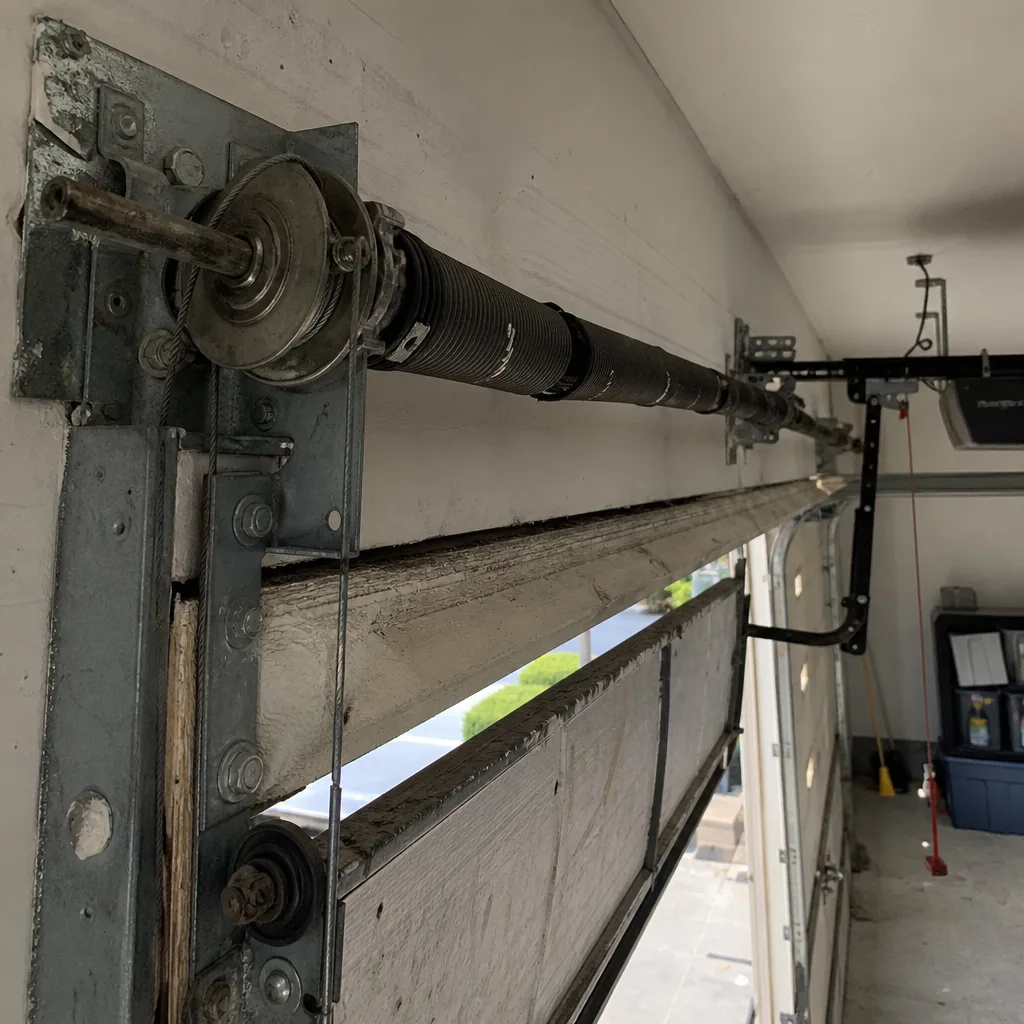
- Look at the torsion spring above the door. A healthy spring looks uniform in coil spacing. If you see gaps in the coils, elongation, or visible rust, that’s a warning sign of imminent failure.
- Trace the cables on both sides. Cables should be tight and straight, with no fraying, kinks, or rust. A frayed cable is a time bomb.
- Watch the door open and close once. Listen for any new noises. Watch the rollers in the tracks, they should turn freely, not slide.
- Check the bolts and brackets. Over time, vibration loosens the bolts that hold the tracks and hinges. If you can wiggle any bracket by hand, it needs tightening.
- Look at the bottom seal. Run your foot along it with the door closed. It should compress evenly. Flat spots, tears, or hardening mean replacement time.
This 10-minute routine catches 80% of problems before they become emergencies. A broken spring rarely happens without warning, the warning signs show up weeks or months earlier in the form of creaking, visible rust, or cable wear. If you notice anything during your monthly check that doesn’t look right, a quick call to a Carlsbad garage door repair technician costs nothing for the estimate and potentially saves you a bigger repair down the line.
Common Mistakes to Avoid
- Lubricating the tracks. This is the single most common garage door maintenance mistake we encounter. Greasy tracks collect dirt, and dirt is abrasive. The rollers need lubrication, not the track surface.
- Using WD-40 as a garage door lubricant. WD-40 is a water displacer and solvent, not a long-term lubricant. It strips away good lubricant and leaves the metal dry. Use a silicone spray or a product made specifically for garage doors.
- Ignoring small noises until they become big repairs. That minor squeak in June is a louder grinding by September and a snapped spring by November. Noises are diagnostic, not decorative.
- Assuming a garage door that “works fine” needs no maintenance. Garage doors don’t break from use, they break from neglect. A door that operates perfectly today can snap a spring tomorrow because that spring has been slowly corroding for two years.
- Replacing only one spring on a two-spring door. When one spring breaks, the other has the same number of cycles on it. Replacing both at once is cheaper in the long run than paying for a second service call in six months.
- Waiting until the Santa Anas arrive to check your seals. By then, the damage is done. Seal work should happen in September or early October, before the wind season builds. In Carlsbad, the first big Santa Ana event usually hits around the same time every year, and it is always a scramble for available technicians.
When to Call a Professional
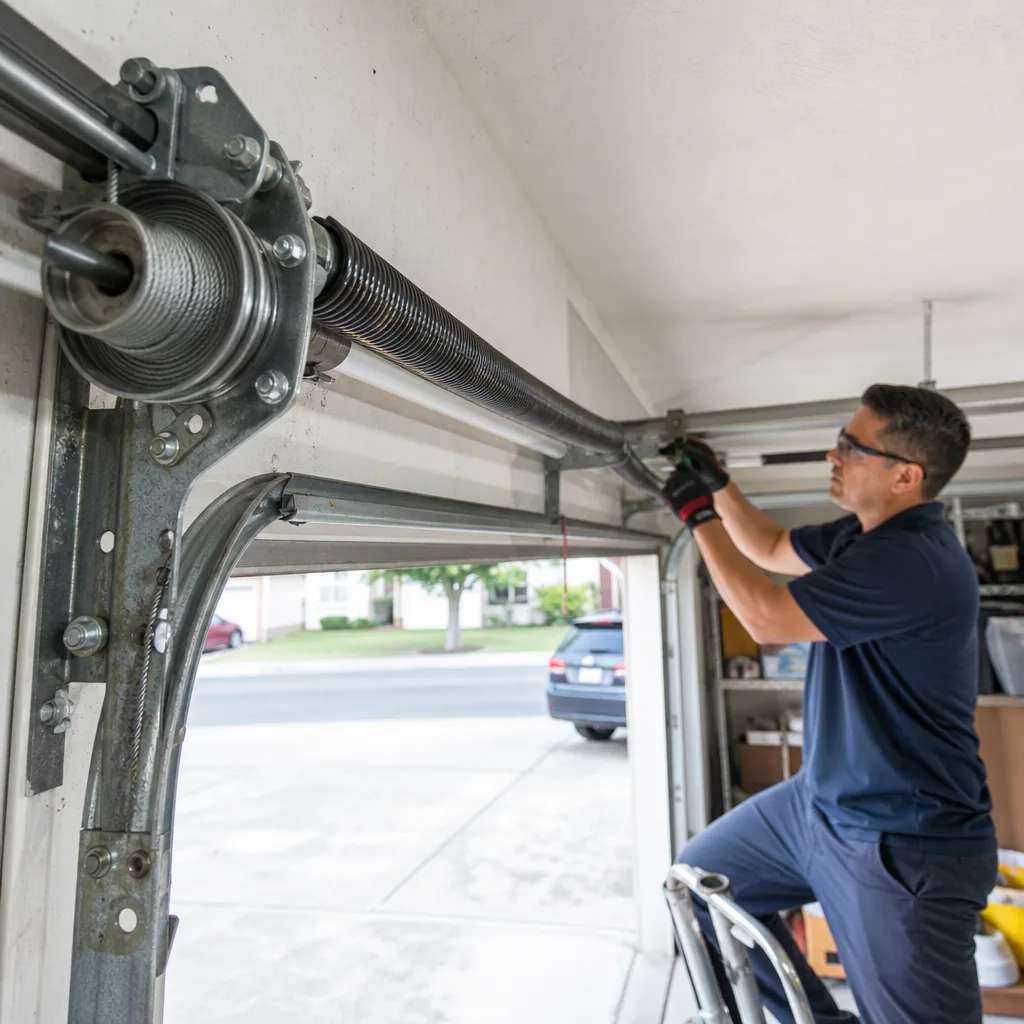
Some garage door maintenance tasks are genuinely DIY, and some are genuinely dangerous. Torsion springs operate under extreme tension and release that energy suddenly when they fail. Cables run through pulleys under similar load. Both of these components can cause serious injury if mishandled. If your monthly inspection reveals a frayed cable, a rusted or gapped spring, a door that feels heavy or falls when released, or a track that has pulled away from the wall, stop and call a professional. The same goes for any repair on a door equipped with a smart opener that integrates with your home’s wiring and security system. Tradewind Garage Door Repair offers free estimates in Carlsbad, and we work on all major brands including Raynor, LiftMaster, and Chamberlain. Call (833) 476-2475 and we’ll give you a straight answer about what you’re dealing with.
Frequently Asked Questions
Every three months, so four times a year. In Carlsbad, the ideal timing is early January, April, July, and October, which aligns with the start of each of the four local stress seasons. Use a silicone or lithium-based spray on rollers, hinges, and springs, and never lubricate the tracks. Call (833) 476-2475 if you’re unsure which lubricant to use, estimates are free.
Yes. Weeks of 80%+ humidity accelerate surface rust on torsion springs, and rust creates micro-pitting that weakens the spring at tension points. A spring that squeaks during June and July is showing early signs of moisture-related wear. Lubricating before marine layer season starts provides a protective film that reduces this damage.
In late September or early October, check the bottom seal and side seals for gaps, tears, or brittleness, clear any debris from the drainage gap, and test the door balance by opening it manually. High winds amplify any existing misalignment, so addressing loose tracks or worn rollers before the first big Santa Ana event prevents more serious damage. Call (833) 476-2475 for a free seal and balance check in Carlsbad.
Close the door and look for daylight under the edge, run your hand along the seal to feel for flat spots or hardening, and watch for water streaks on the inside after rain. Any of these signs means the seal isn’t doing its job. A replacement seal is inexpensive, and in Carlsbad’s rain and wind cycles, it’s one of the highest-value maintenance items you can replace.
You can handle the monthly visual inspection, quarterly lubrication, seal checks, and cleaning. Spring, cable, and track work should always go to a trained technician because these components are under dangerous tension. If your door feels heavy, falls when released, or shows frayed cables, stop and call a professional. Tradewind Garage Door Repair provides free estimates in Carlsbad, call (833) 476-2475.
For DIY maintenance, a can of silicone spray costs $10-$20 and covers a year of quarterly lubrication. A professional tune-up in Carlsbad typically runs $85-$150 for a full inspection, lubrication, and minor adjustments. If the tune-up reveals worn parts like seals or rollers, those are quoted separately. The price is always agreed before any work starts, and Tradewind Garage Door Repair offers free estimates. Call (833) 476-2475 for an exact quote.
The Bottom Line
Carlsbad’s garage doors don’t fail from winters, they fail from neglect between weather events. The marine layer corrodes springs slowly. Santa Ana winds shred seals and push misaligned tracks past their limits. UV rays break down wood and composite panels year-round. Winter rain finds every gap. The fix is not dramatic, it is rhythmic: lubricate quarterly, inspect monthly, replace seals before wind and rain season, and protect wood surfaces annually. Do that, and your garage door will serve you for a decade or more. Skip it, and you’ll be making an emergency call on a windy November night. If you’d rather hand the whole routine to a professional, we’re here. Tradewind Garage Door Repair handles everything from seasonal tune-ups to full garage door installation in Carlsbad, and we work on whatever you already have, Raynor, LiftMaster, Chamberlain, Genie, and more.
Written by the team at Tradewind Garage Door Repair, serving Carlsbad since 2015.
See the difference
 Before
 After
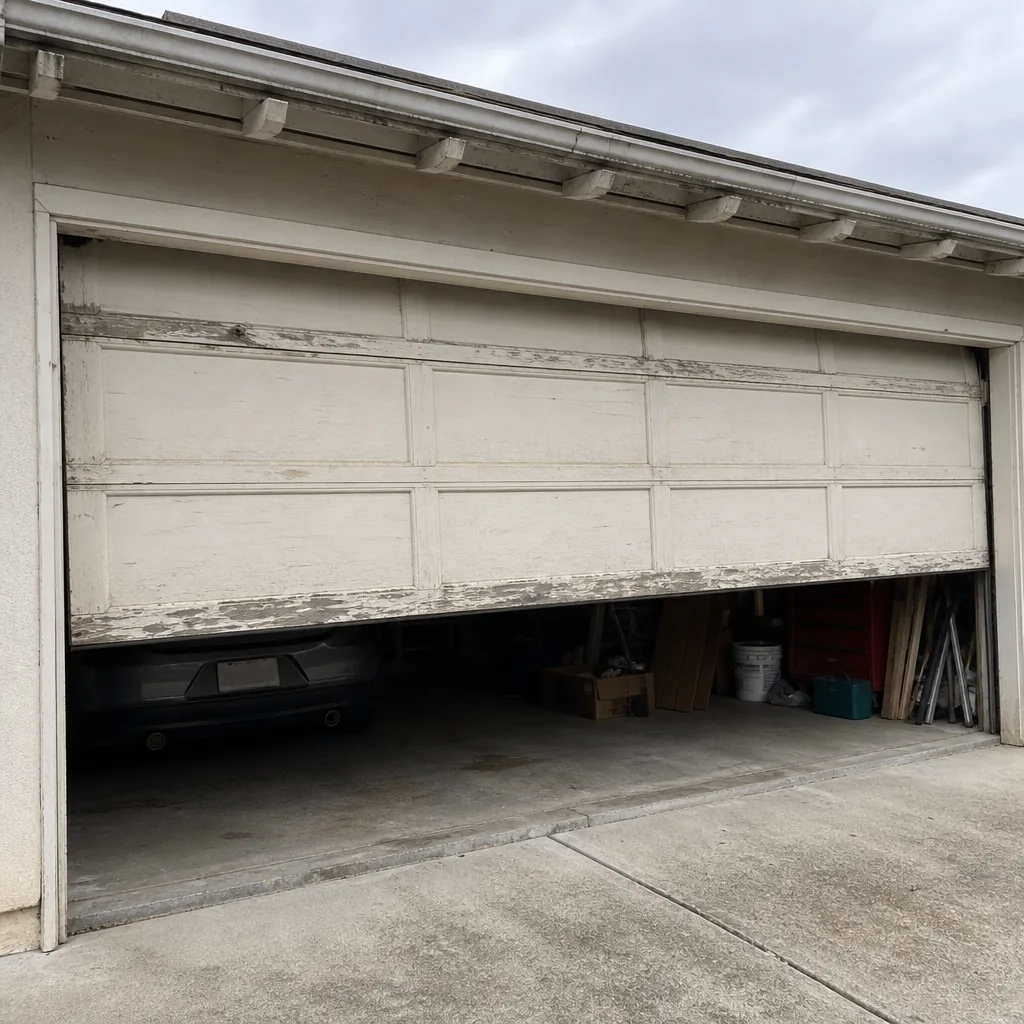 Before
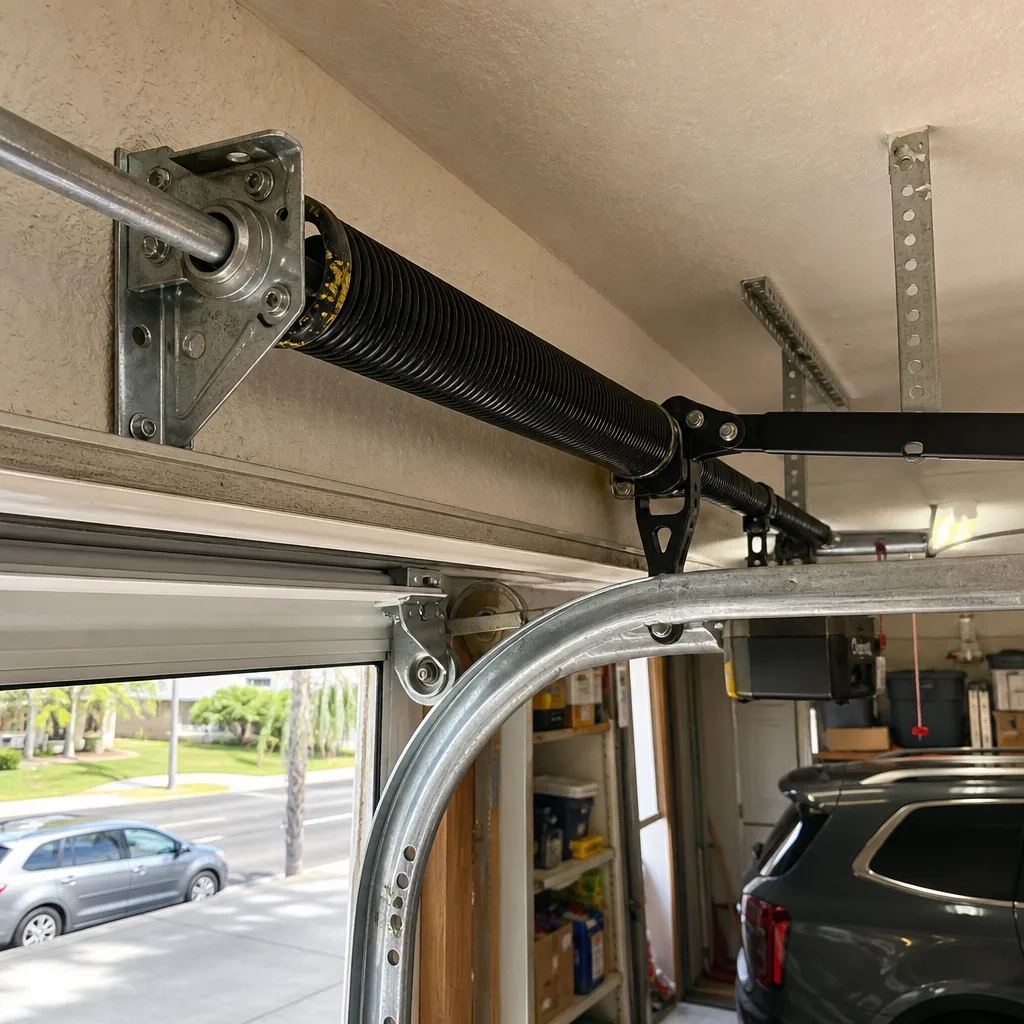 After
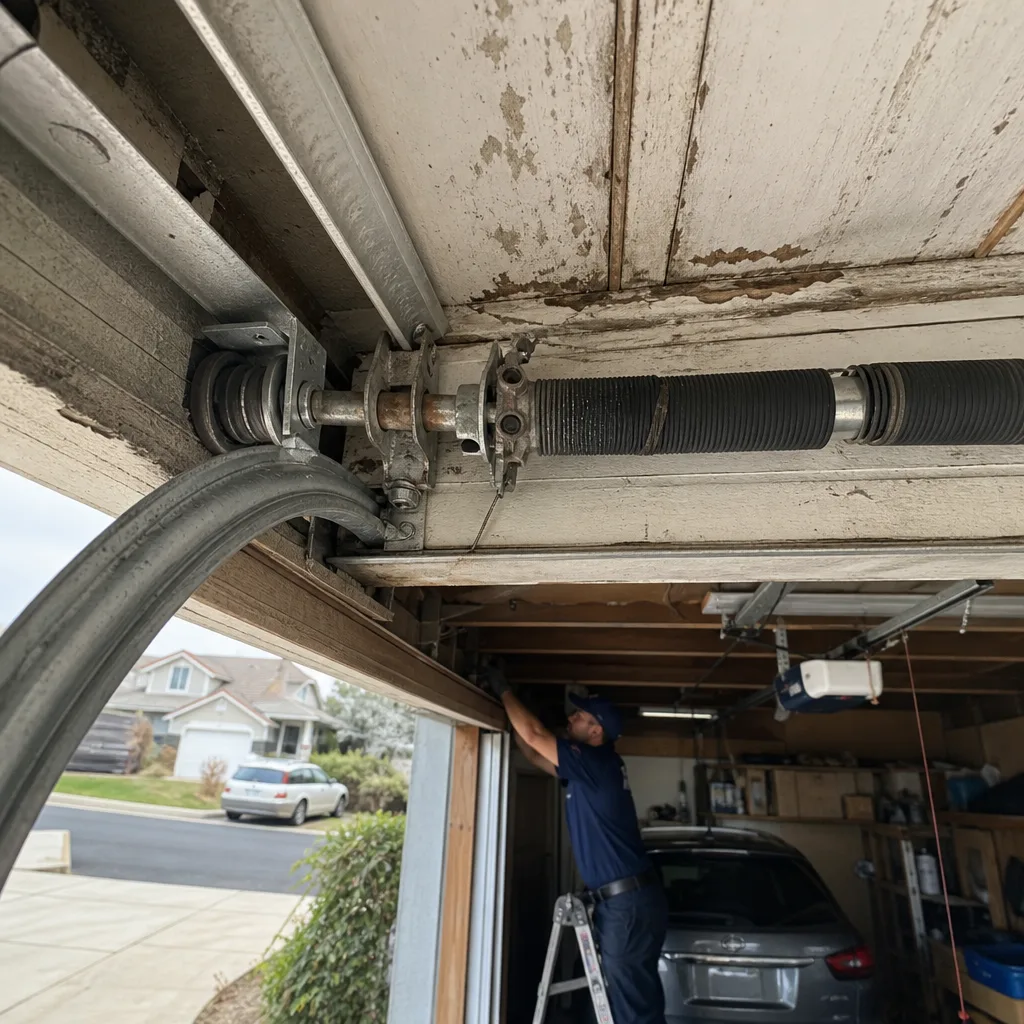 Before
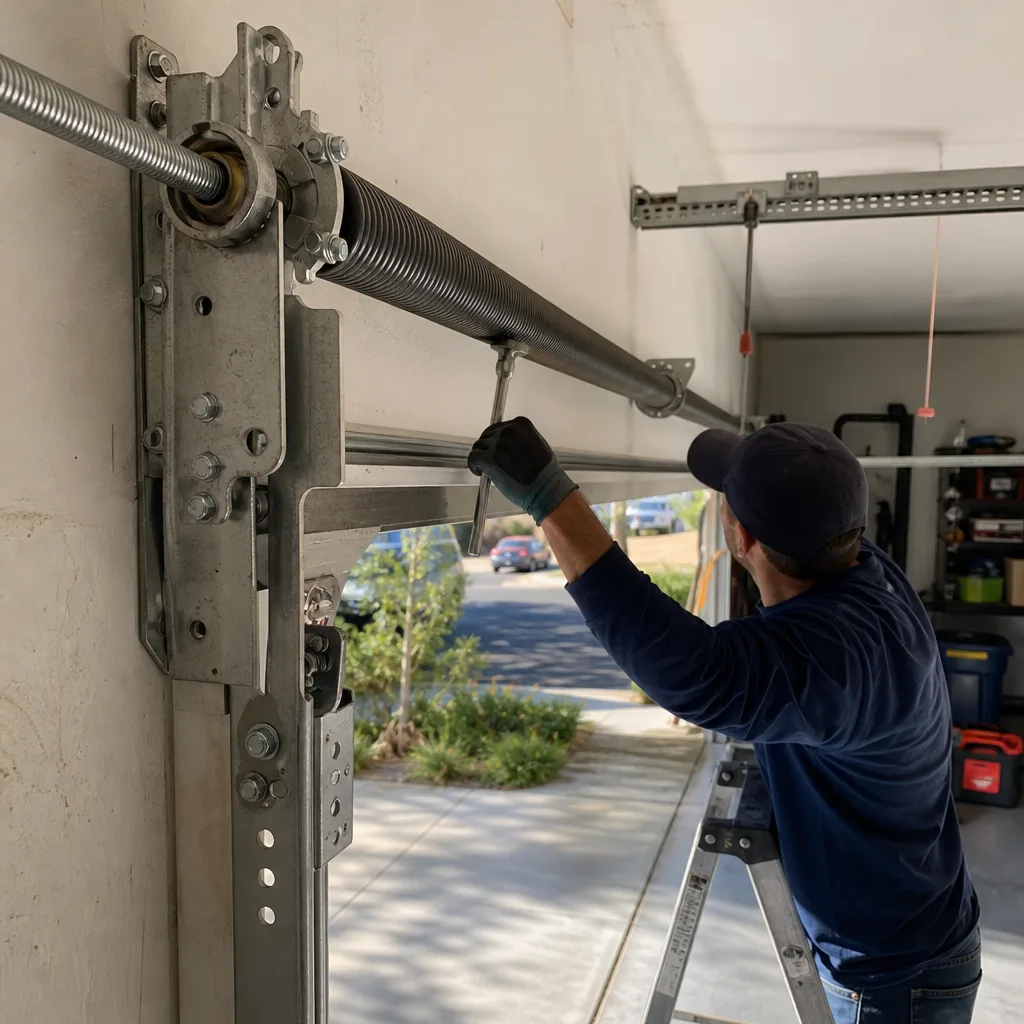 After