
Last updated October 30, 2026
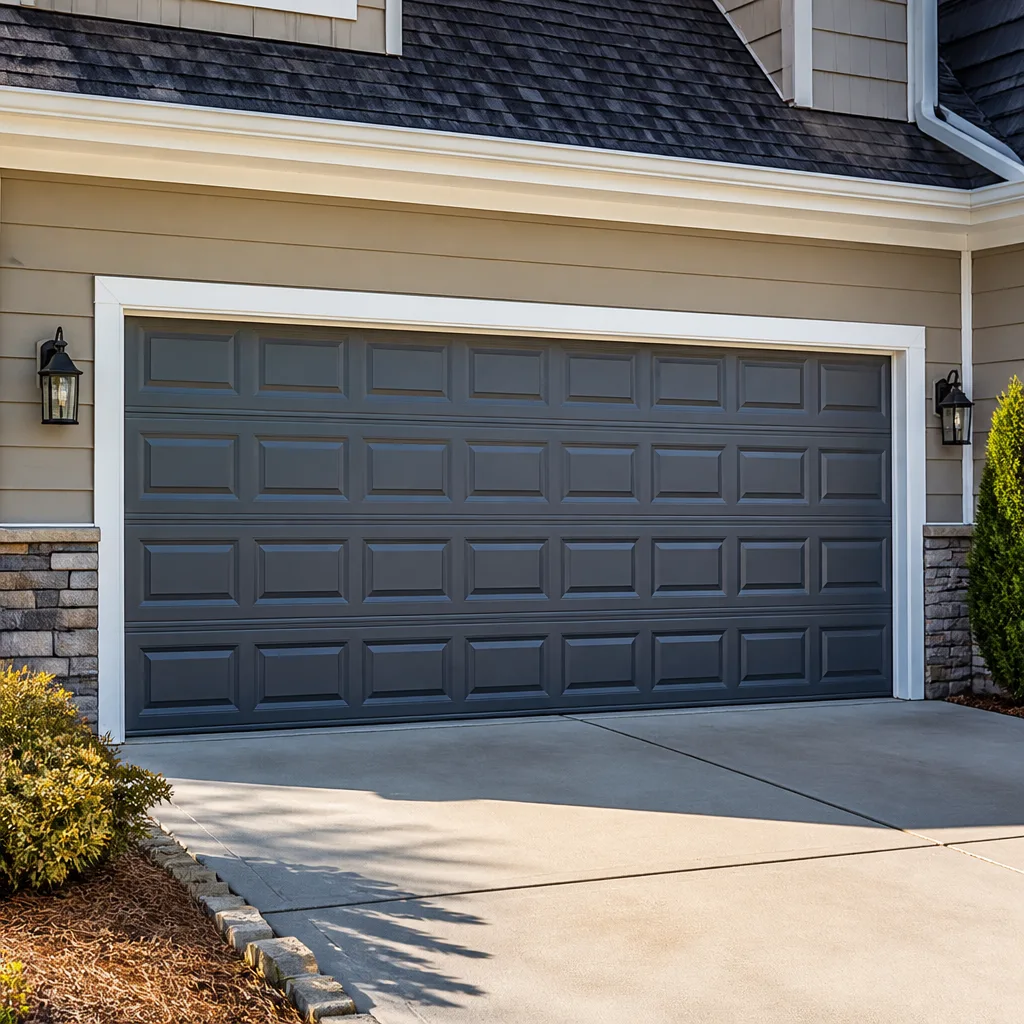 Raised-panel steel
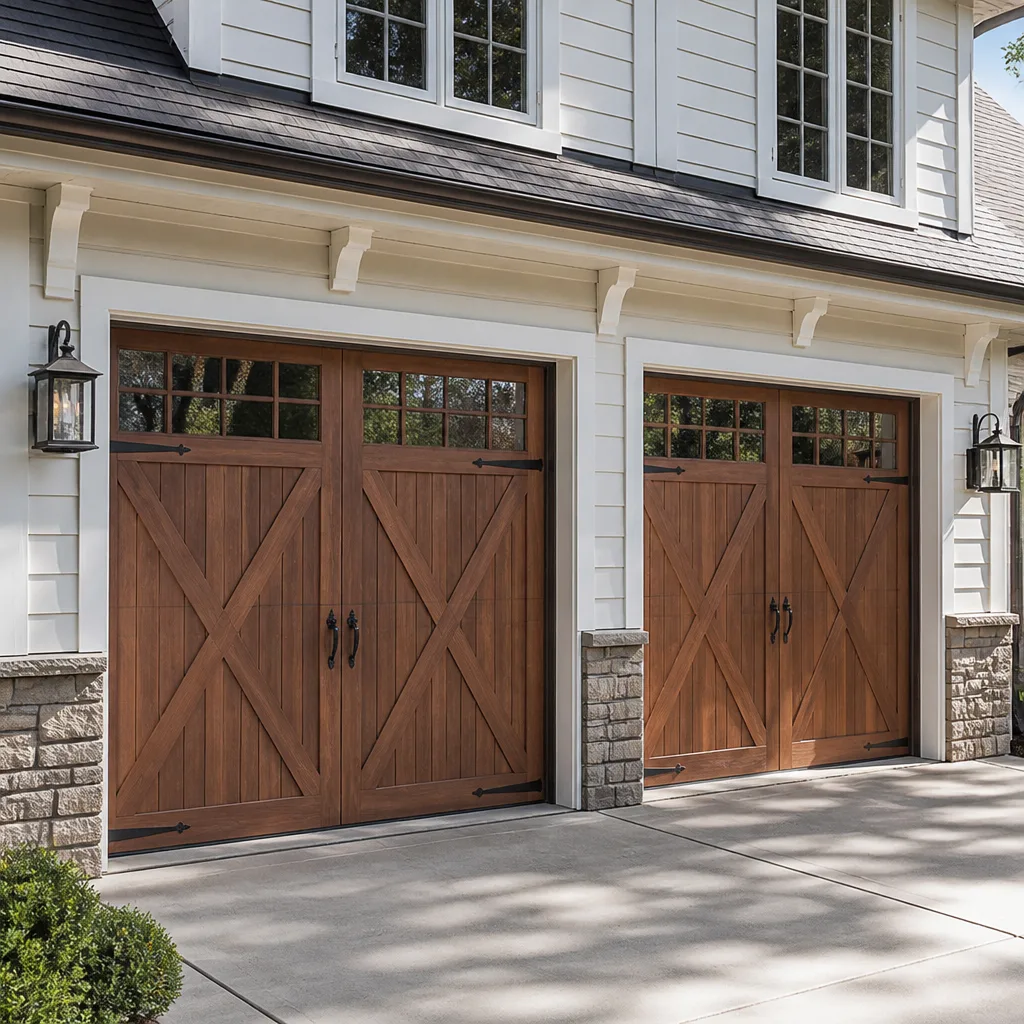 Carriage house
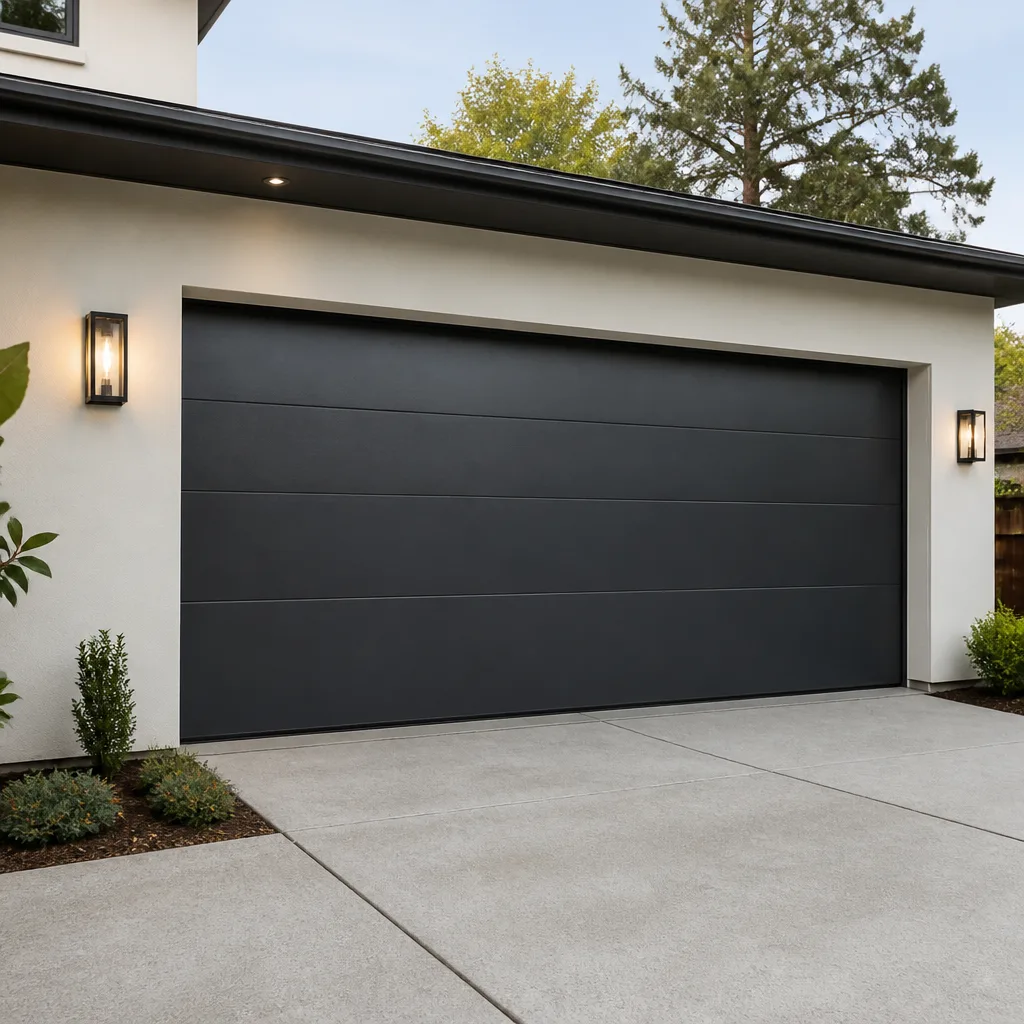 Modern flush
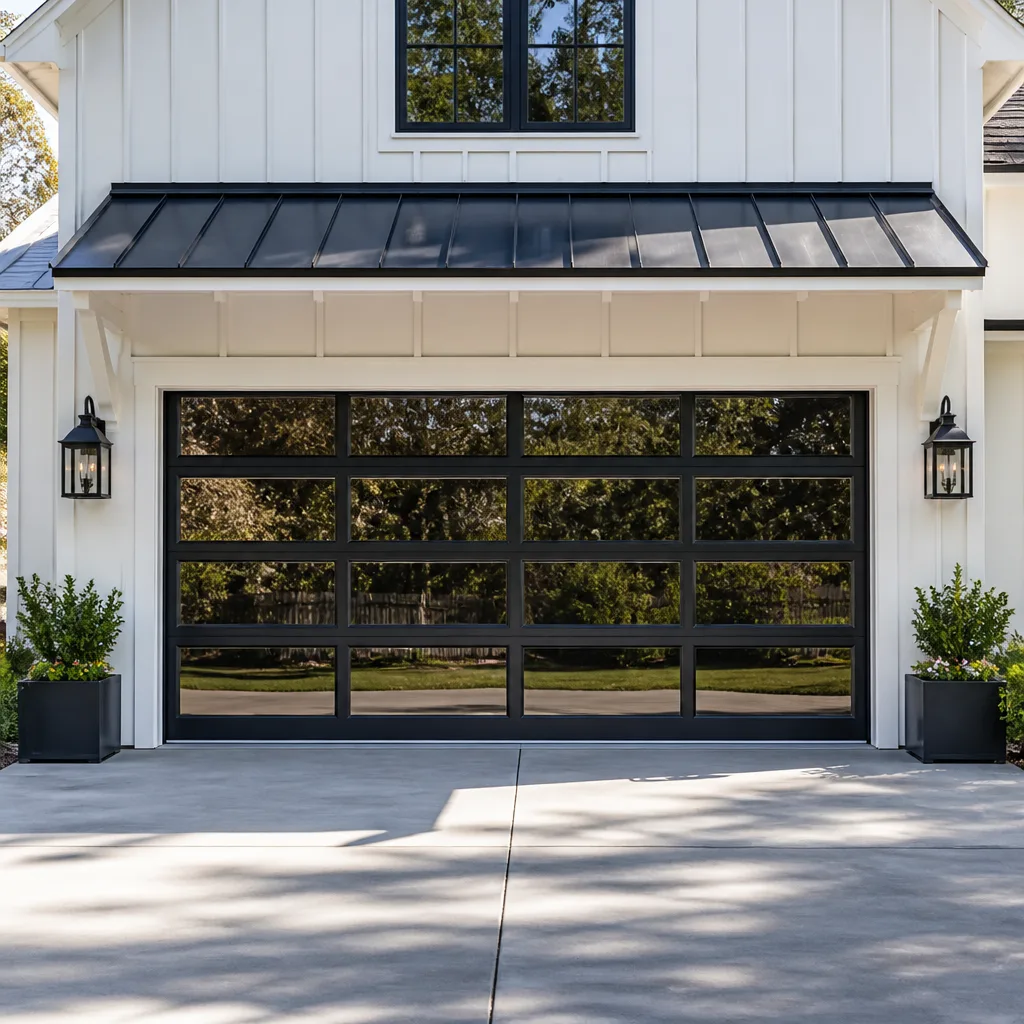 Full-view glass
 LiftMaster openers
 Chamberlain openers
Full 25-point door and opener safety check with every visit - springs, cables, rollers, tracks, and your LiftMaster or Chamberlain opener included
You get a price before we start. It does not change when the truck arrives.
Get your free estimateGarage Door Permits, Codes & Inspections in CA: What You Need to Know
A Carlsbad homeowner listed their house in the spring of 2025. Offers came in above asking within five days. Then escrow stalled for two weeks because the garage door they had replaced in 2022 – installed by a contractor who waved off the question with “you don’t need a permit for this” – flagged during the buyer’s inspection. The seller ended up paying for a retroactive permit, a city inspection, and a $3,200 credit to keep the deal alive. This happens more often than anyone talks about. What follows is what actually applies in California, what you can skip, what you can’t, and how to avoid becoming that seller—drawing from our Garage Door Warning Signs: A Carlsbad Homeowner’s Reference Guide and other field experience.
Quick Answer
In California, a garage door permit is typically required only for a full replacement or new installation, not for like-for-like part repairs such as springs, cables, panels, or openers. The specific trigger is structural or fire-resistance impact: if the door assembly itself is being changed out, attached to framing, or is part of the fire separation between an attached garage and living space, most California jurisdictions require a building permit. In Carlsbad, that permit comes through the city’s Building Department, takes about one to two weeks for over-the-counter issuance, and requires a final inspection after the work is done.
Styles & brands we work with
Table of Contents
- When a Garage Door Project Requires a Permit in California
- How Carlsbad Processes Garage Door Permits
- Repairs That Never Need a Permit
- UL 325 Compliance and Why Older Openers Fail Inspections
- California Residential Code: Fire-Rated Door Requirements for Attached Garages
- Unpermitted Garage Work, Disclosures, and Resale Costs
- What the Inspector Checks: A Step-by-Step Walkthrough
- How to Hire a Contractor Who Won’t Skip the Permit
When a Garage Door Project Requires a Permit in California
California Residential Code (CRC) Section R105.1 is the governing text, and it generally requires a permit for any work that involves “the construction, enlargement, alteration, repair, movement, demolition, or change in occupancy of a building or structure.” A garage door assembly is part of the structure. The distinction that matters is whether the project touches the structural opening, the fire separation, or the door system only.
Here is where it gets practical. In our experience across coastal San Diego County, including Carlsbad’s La Costa, Bressi Ranch, and Calavera Hills neighborhoods, the three scenarios that consistently require a permit are:
- Full door replacement: Removing the entire existing door, track assembly, and hardware, then installing a new door system. Even if the new door is the same size, the installation involves reframing attachment points, re-anchoring tracks, and changing the fire-rated assembly.
- New door installation: Any garage door that did not previously exist, including enclosing a carport or converting a garage bay. This always triggers structural review and fire-resistance requirements.
- Structural modification: Widening or heightening the rough opening, adding a second door, or replacing the header beam above the opening. This is structural work, full stop.
What does not require a permit in most California jurisdictions, including Carlsbad: replacing springs, cables, rollers, hinges, a single panel, the weather seal, the opener motor unit, or the photo-eye sensors. These are classified as “repairs” under CRC R105.2, not alterations. The door assembly itself is not being modified.
The permitting threshold every homeowner should remember: like-for-like repair is no-permit territory. Removal and reinstallation of the door assembly is permit territory. If a contractor tells you a full door swap needs no permit, you should push back or find someone else. That advice is what created the escrow problem for the Carlsbad seller we mentioned at the top.
For homeowners who want a repair-first assessment of what they actually have, Tradewind Garage Door Repair home guidance starts with an on-site diagnostic rather than a replacement assumption. That matters because knowing whether you’re facing a repair or a replacement is the first decision in the permit question.
How Carlsbad Processes Garage Door Permits
Carlsbad operates its own Building Department, separate from San Diego County’s unincorporated jurisdiction. That is good news for homeowners because the process is local, staffed by people who understand coastal garage conditions, and generally faster than county-level routing.
Here is the typical sequence, based on current Carlsbad building practices:
- Application and plan check: You or your contractor submit a building permit application with basic project details. For a straightforward full replacement, Carlsbad typically issues permits over the counter or within a few business days. If the project involves structural changes, a plan check adds time.
- Permit fee assessment: Fees are based on project valuation. For a standard garage door replacement in Carlsbad, expect the permit fee to run between $150 and $450, depending on the stated project value and whether plan review is required.
- Permit issuance: The permit is posted on site or kept available. Work can begin once the permit is in hand, not before.
- Scheduled inspection: After installation, the homeowner or contractor calls to schedule a final inspection. Carlsbad inspectors commonly schedule within three to five business days.
- Final sign-off: The inspector verifies the work, signs the permit card, and the project is closed. Keep that signed card. You will want it at resale.
In our experience, the full cycle for a simple replacement in Carlsbad runs two to three weeks from application to final sign-off. That includes permit issuance, scheduling the installation, and the inspection window. Homeowners who skip the permit save that time now and risk losing far more of it at resale.
One nuance specific to Carlsbad: the city enforces California’s wildfire-adjacent construction standards in certain mapped areas, though most in-city Carlsbad residential zones fall under standard residential code for garage door work. If you are in a hillside or canyon-edge area, the Building Department may ask about ember-resistant venting or door construction. It is worth asking at application rather than finding out at inspection.
If you already know your garage door needs a full replacement, Garage Door Installation in Carlsbad details what the project involves and how the permit step fits into the timeline.
Repairs That Never Need a Permit
Most garage door work actually falls into the no-permit category, and understanding that boundary—covered in our Garage Door Repair Troubleshooting: Common Problems and How to Fix Them—saves homeowners both money and unnecessary anxiety.
Under CRC R105.2, the following are classified as repairs and do not require a building permit:
- Replacing a broken torsion or extension spring
- Replacing worn rollers, hinges, brackets, or weatherstripping
- Replacing a single damaged panel on a sectional door
- Replacing the garage door opener motor unit, rail, or belt/chain drive
- Adjusting door balance, track alignment, or opener force settings
- Replacing the bottom seal, side seals, or top seal
- Re-keying or replacing the opener remote and wall console
This is important for Carlsbad homeowners to understand because spring failures are common in coastal air. The salt and temperature swings mean torsion springs in neighborhoods like Aviara and Poinsettia often last fewer cycles than inland. When a spring breaks, the door is not being altered – the repair restores the existing assembly to working condition. No permit applies.
Garage door opener replacement and repair follow the same logic. If you replace a LiftMaster with a newer LiftMaster, or a Chamberlain with a Chamberlain, you are swapping a component within the existing system. Tradewind works on all of these – LiftMaster, Chamberlain, Genie, Clopay, Amarr, Wayne Dalton, Craftsman, Raynor – and the repair-or-replace decision never hinges on what we sell. We work on what you already have. That brand-agnostic approach matters here because no manufacturer’s sales program should ever push a homeowner into a “replacement” that triggers permitting when a component repair does the job.
If your opener is acting up, Garage Door Opener Repair in Carlsbad covers the common failure modes and what repair looks like.
UL 325 Compliance and Why Older Openers Fail Inspections
UL 325 is the safety standard for garage door openers and other automatic gate and door operators. It has been updated repeatedly since 1982, and modern versions mandate specific safety features: photo-eye sensors that reverse the door when an obstruction is detected, contact reversal that stops and reverses the door when it strikes an object, and a maximum force setting.
Here is what most homeowners in Carlsbad don’t realize: if you have a pre-1993 opener, it likely does not meet the current UL 325 requirements. A permitted full door replacement in California means the inspector will look at the new door system, and while the opener itself is not part of the door permit, the inspection can flag a legacy opener that lacks photo-eye sensors or fails a reversal test.
The practical implications:
- A door replacement project may require opener replacement if the existing unit cannot meet current safety requirements.
- Photo-eye sensors, installed no higher than 6 inches off the floor, are mandatory on any new or replacement opener.
- The door must reverse on contact with a 1-1/2 inch test object placed on the floor. Inspectors in Carlsbad do test this on final inspections where the opener is involved.
- Older Craftsman and Genie screw-drive units from the late 1980s and early 1990s are the most common units that fail modern reversal-force tests.
We regularly see this in Carlsbad homes built in the 1970s through the 1990s, particularly in Olde Carlsbad and along Tamarack Avenue. A full door replacement gets permitted, the final inspection happens, and the inspector points to the 1989-era opener and asks if the homeowner is replacing it. That question becomes a condition of sign-off if the opener is part of the installed system.
The repair-first perspective: if the opener is the only issue, replace the opener – not the door. A Chamberlain or LiftMaster unit from the last decade typically meets UL 325 without complication. If the opener predates 1993, plan on replacing it alongside a full door installation.
California Residential Code: Fire-Rated Door Requirements for Attached Garages
California Residential Code Section R302.5.1 addresses the fire separation between an attached garage and the dwelling. The garage door itself, when it provides the separation at the vehicle opening, must meet specific requirements.
The core requirement: the door between an attached garage and the residence is part of the fire-resistance-rated assembly. For most residential attached garages, the wall between the garage and living space must be 1/2-inch gypsum board on the garage side, and the door from the garage into the house must be solid-core wood, solid wood honeycomb, or a listed equivalent. The vehicle door – the overhead garage door itself – is not required to carry a fire rating in most standard residential applications, but it must be labeled by the manufacturer and installed per the manufacturer’s specifications.
Where fire-rated garage doors do apply:
- When the garage is part of a multi-unit residential structure, such as a duplex or townhome with a common wall.
- When the garage door is located less than 5 feet from a property line or another structure, triggering exterior wall fire-resistance requirements.
- When the home is in a wildfire-risk zone where local amendments require ember-resistant door construction.
In Carlsbad, townhome and condo communities along El Camino Real and in the Bressi Ranch area frequently fall into the multi-unit category. Those projects have stricter door labeling requirements than a detached single-family home in La Costa.
How to verify what you have: look for the manufacturer’s label on the inside face of the door panel. A compliant door from Clopay, Amarr, or Wayne Dalton will carry a label indicating the model, wind-load rating, and any fire-rating classification. If there is no label, or if the label is painted over and unreadable, that may become an inspection issue on a permitted replacement. We routinely point this out during Garage Door Repair in Carlsbad visits: a missing label does not mean the door is unsafe, but it does mean the inspector cannot verify compliance, and that can stall a final sign-off.
Unpermitted Garage Work, Disclosures, and Resale Costs
California Civil Code Section 1102 requires sellers to complete a Transfer Disclosure Statement (TDS) and a supplemental statutory disclosure. The TDS asks specifically whether the seller is aware of “any room additions, structural modifications, or other alterations or repairs” made without necessary permits. A garage door replacement falls squarely within the scope of that question.
The Carlsbad seller we opened with learned this the hard way. The buyer’s home inspector noted that the garage door appeared newer than the rest of the garage, pulled the permit history from the City of Carlsbad, and found no record. The buyer’s lender then required the permit issue resolved before funding.
What that resolution typically costs:
- Retroactive permit fees: Carlsbad charges a re-inspection or retroactive permit fee that is generally double the standard permit fee.
- Correction work: If the unpermitted work does not meet current code, the seller pays to bring it into compliance before the city signs off.
- Negotiation credits: Buyers routinely ask for a credit of $1,000 to $5,000 to accept the unpermitted work and handle the permit themselves.
- Deal failure: Some buyers walk entirely. Escrow cancellation costs the seller time, market exposure, and often a lower eventual sale price.
The disclosure itself is not optional. Answering “no” falsely creates exposure to post-sale litigation. California courts have consistently held sellers liable for deliberate nondisclosure of unpermitted work. Answering “yes” truthfully gives the buyer leverage in negotiation but keeps the seller out of court.
The takeaway for any Carlsbad homeowner planning a garage door project: the permit costs $150 to $450 and adds two to three weeks to the project. The unpermitted route saves that and can cost five figures at resale. We tell every customer doing a full replacement the same thing: pull the permit. If a contractor tells you otherwise, understand that advice is worth exactly what you paid for it.
What the Inspector Checks: A Step-by-Step Walkthrough
Knowing what the final inspection covers removes the anxiety. Here is the Carlsbad sequence, step by step, based on what we see on permitted door replacements:
- Permit verification: The inspector confirms the permit number, address, and scope of work match what was approved. Have the permit card visible.
- Door operation: The door must operate smoothly through a full cycle. Binding, sticking, or imbalance will fail the inspection.
- Balance test: The door should stay in place when released manually at any point in its travel. A door that drifts down or jumps up fails.
- Safety reversal: If an opener is installed, the inspector places a test object on the floor. The door must reverse on contact. Photo-eye sensors must be present and functional at the correct height.
- Hardware and anchoring: Track brackets, spring mounts, and the header bracket must be securely anchored. Lag screws, not drywall screws, must be used at all attachment points.
- Seals and weatherstripping: Bottom seal and side seals should be intact. This is a minor point but a visible one on coastal homes in Carlsbad where wind-driven rain is a factor.
- Label verification: If the door is new, the inspector checks that the manufacturer’s label is present and legible.
- Final sign-off: The inspector signs the permit card. Keep a copy with your home records.
In our experience, the most common failure points are balance issues and missing or misaligned photo-eye sensors. Both are correctable on the spot if your installer is present at the inspection. We make a point of being on site for every Carlsbad final inspection we schedule.
How to Hire a Contractor Who Won’t Skip the Permit
The contractor who tells you “we don’t need a permit for this” on a full door replacement is either misinformed or trying to book the job faster than a competitor who does it right. Neither is a good reason to hire them.
What to ask before you sign anything:
- “Will this project require a permit?” For a full door replacement or new installation in Carlsbad, the correct answer is yes. For spring, cable, panel, or opener repair, the correct answer is no. A contractor who blurs this distinction is a red flag.
- “Who pulls the permit – you or me?” Legitimate contractors in California pull the permit in their name. If they ask you to pull it as an owner-builder, understand the liability shift that creates.
- “Will you be present at the final inspection?” The correct answer is yes. A contractor who schedules the inspection and does not show has handed you their unfinished work.
- “What happens if the inspection fails?” The answer should be that they correct the issue at no charge. This is basic professional practice.
Tradewind Garage Door Repair operates on a repair-first philosophy: repair what you have, replace only when it makes sense. That applies to the permit question as much as to the door itself. If the project needs a permit, we tell you that on the first call, we pull it, and we stand next to you at the inspection. If it does not need a permit, we do not invent one to inflate the bid. Eight brands, one call. Steady, reliable, done right.
Common Mistakes to Avoid
- Believing a contractor who says “no permit needed” without checking the scope. A full door replacement needs a permit in Carlsbad. If the advice sounds convenient, verify it against the city’s Building Department before work starts.
- Pulling a retroactive permit only when selling the house. Retroactive permits cost double and often trigger code-compliance corrections that would have been caught at the original inspection.
- Painting over the door’s manufacturer label. A legible label is an inspection checkpoint. Unreadable labels on a new door can delay final sign-off.
- Pairing a new permitted door with a pre-1993 opener. The inspector may flag the older opener for safety compliance and withhold sign-off until it is replaced.
- Skipping the final inspection because the door works fine. An unclosed permit stays on the city’s record and surfaces during title review at resale.
- Assuming townhome rules match single-family rules. Multi-unit structures in Carlsbad, including many along El Camino Real and in Bressi Ranch, have stricter fire-separation requirements for garage doors.
- Handling a torsion spring repair yourself to avoid a service call. Torsion springs are under extreme tension and cause serious injuries every year. This is a trained-professional repair, full stop.
See the difference
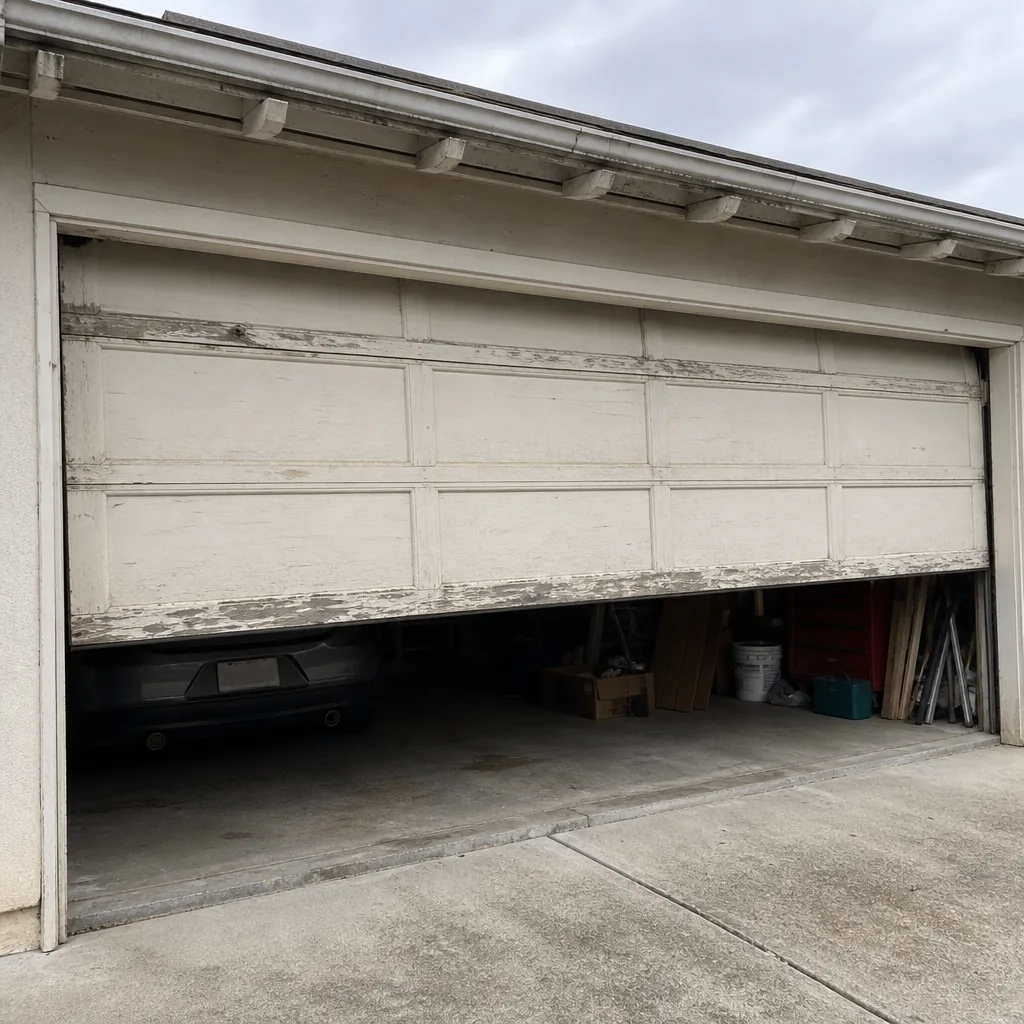
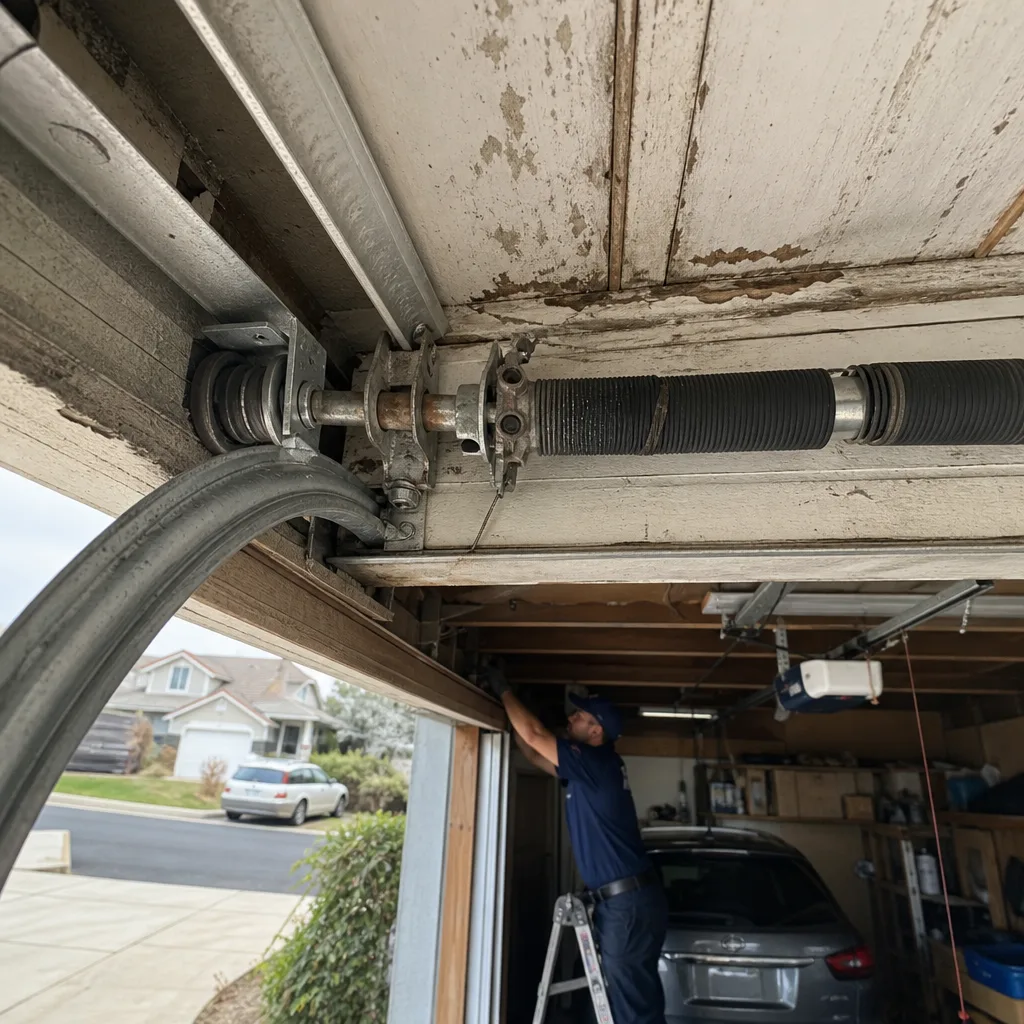
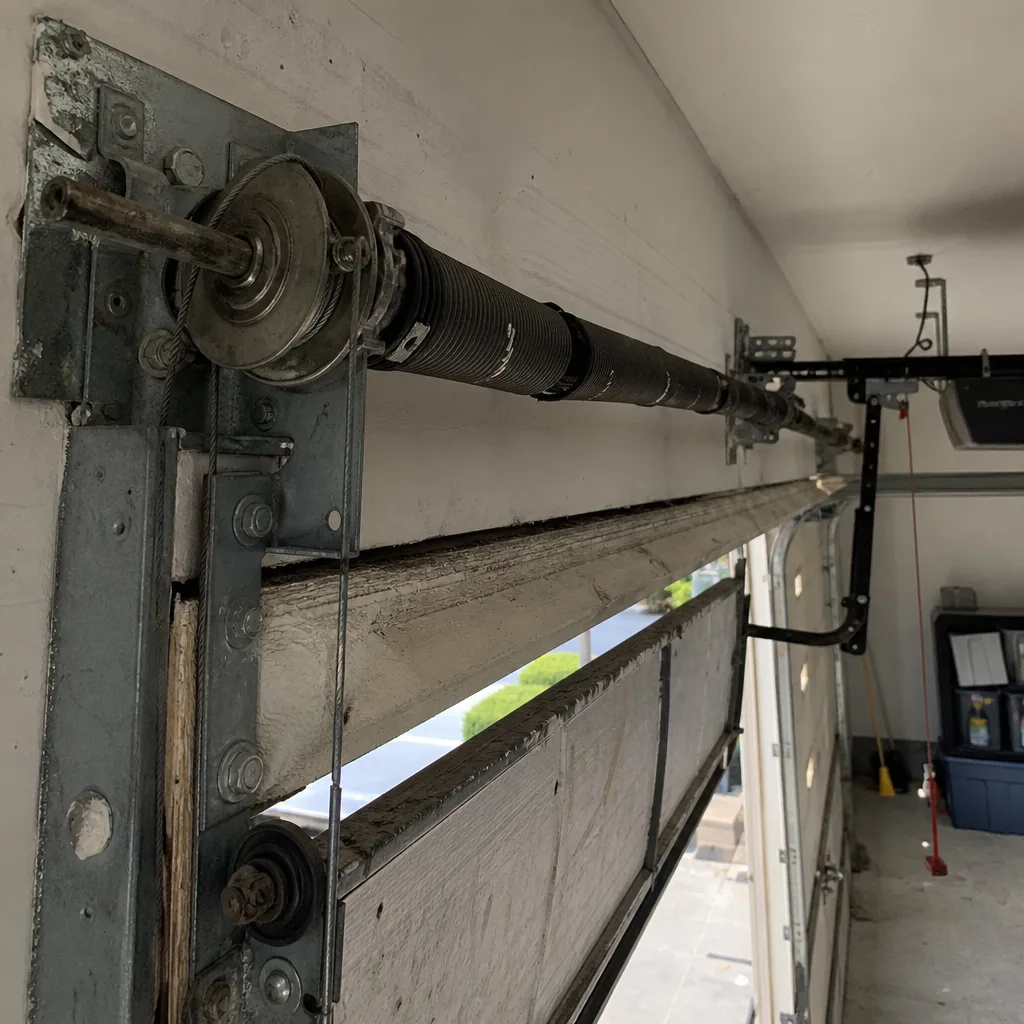 Before
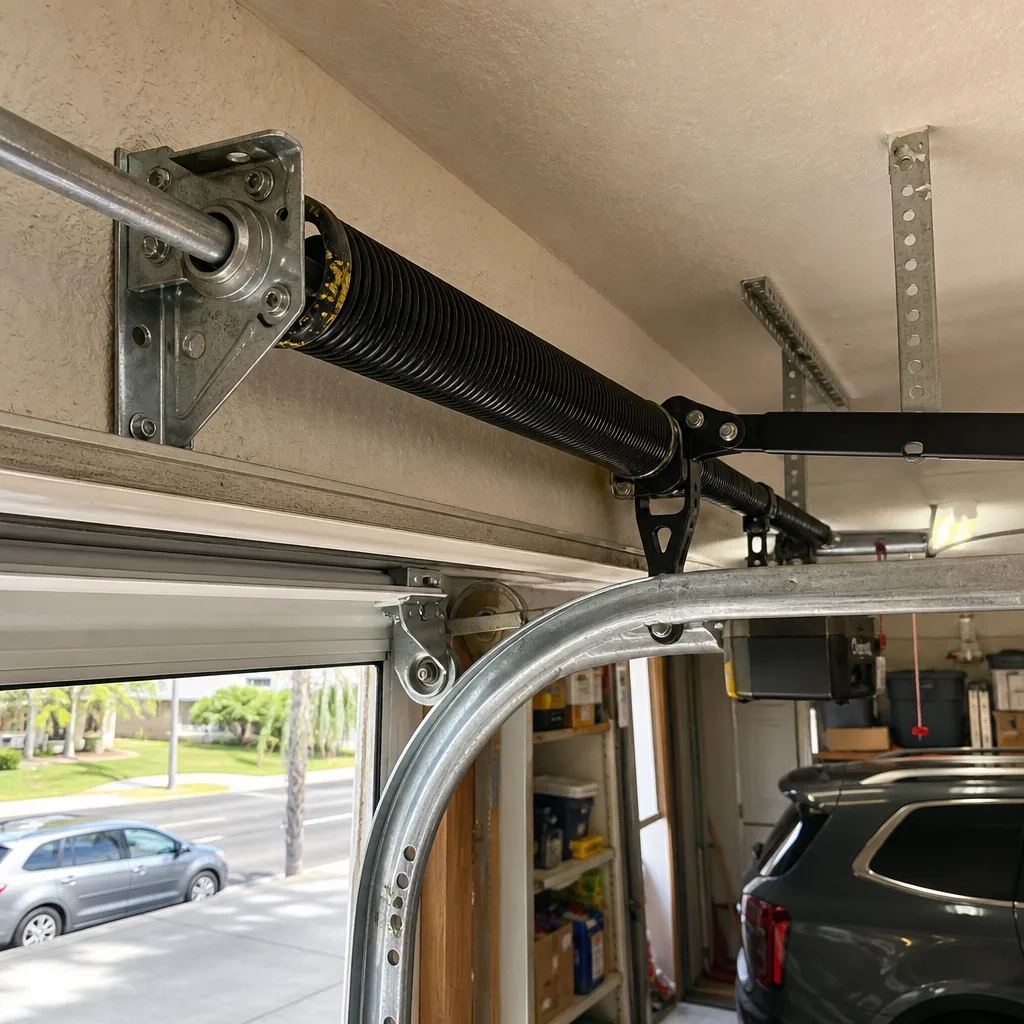
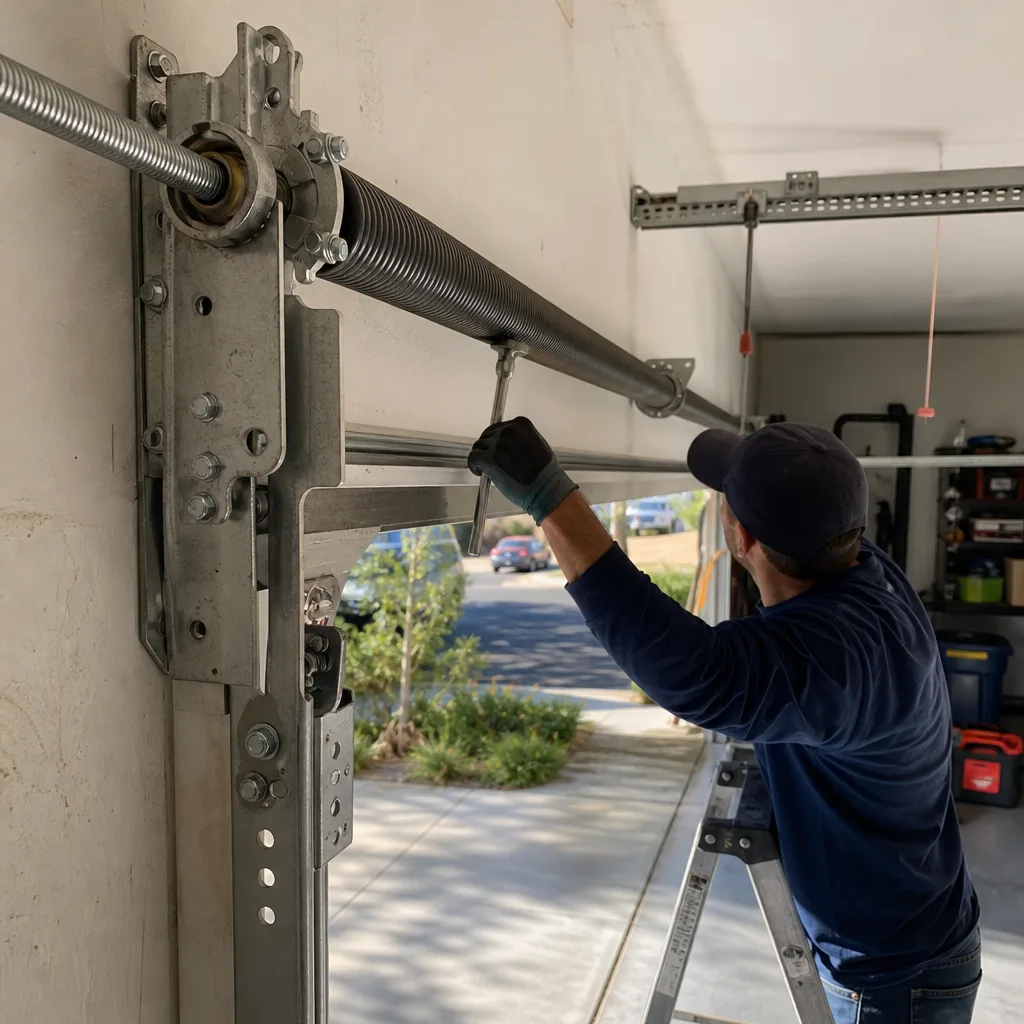
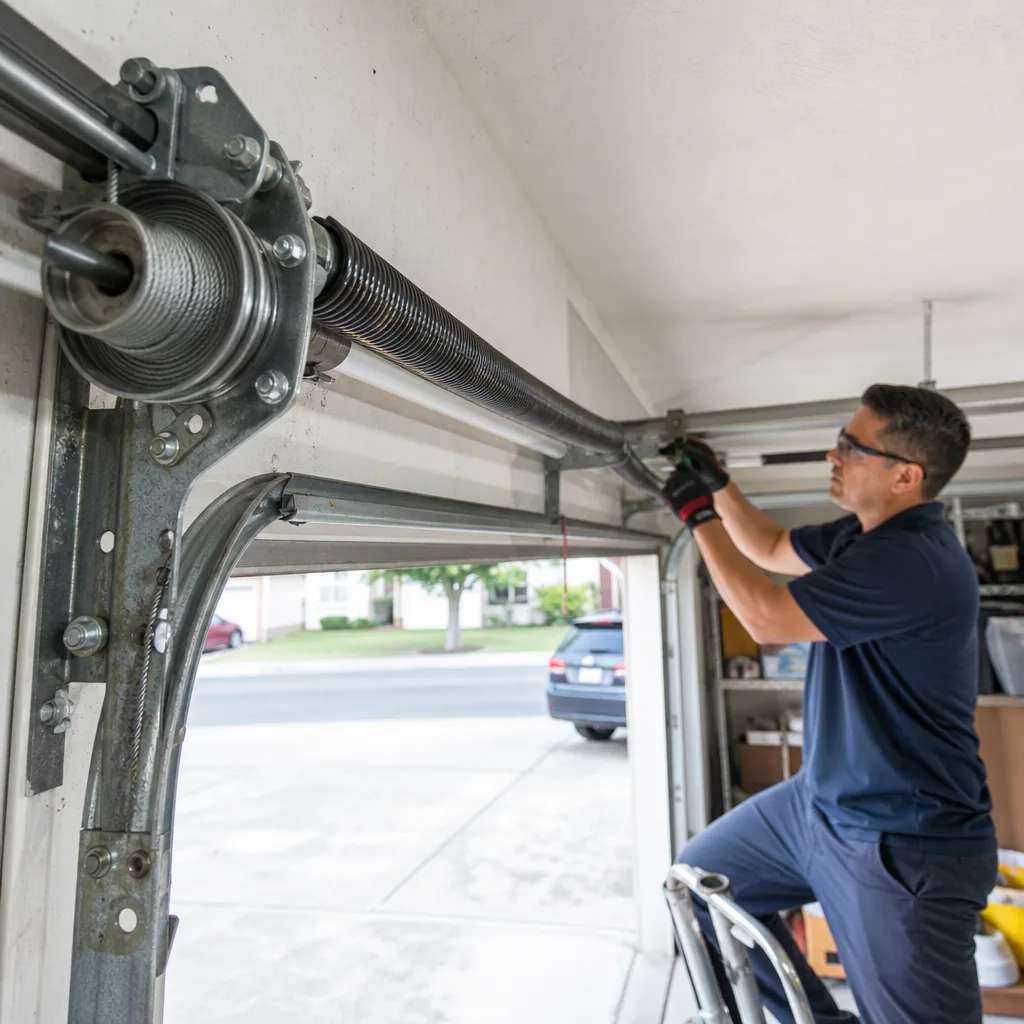 After
 Before
 After
 Before
 After
When to Call a Professional
Garage door work sits in a gray area for many homeowners. Some tasks are safely DIY – replacing weatherstripping, changing a remote battery, lubricating rollers. Other tasks should never be attempted without training: torsion spring replacement, cable replacement, and any work involving the high-tension hardware. A spring under full load stores enough energy to cause severe injury or death. If you are not certain what you are looking at, do not touch it.
Beyond safety, the permit and inspection landscape is easier to navigate with someone who has walked through it hundreds of times. Tradewind Garage Door Repair offers free estimates in Carlsbad and can tell you on the first visit whether your project is a repair or a replacement, and whether a permit applies. You can also explore more guides & resources on our blog. Call (833) 476-2475 to schedule.
Frequently Asked Questions
In most California jurisdictions, yes – a full garage door replacement requires a building permit because the door assembly is part of the structure and, in attached garages, part of the fire separation. Like-for-like repairs such as springs, cables, rollers, and panels do not require a permit. Call (833) 476-2475 for a straight answer on your specific project.
A typical residential garage door replacement permit in Carlsbad runs between $150 and $450, depending on project valuation and whether plan review is required. Retroactive permits for previously unpermitted work run roughly double that amount.
Most single-family detached homes in California do not require a fire-rated overhead garage door at the vehicle opening. Fire-rated doors apply to multi-unit structures, garages within 5 feet of a property line, and wildfire-mapped zones. Check the manufacturer’s label on the inside of your door panel to verify what you have.
Yes. A garage door opener replacement is classified as a repair and does not require a permit in California. However, the new opener must meet current UL 325 requirements, which include photo-eye sensors and contact-reversal capability. If your existing opener predates 1993, plan on replacing it if you are also doing a permitted door replacement.
Yes. The California Transfer Disclosure Statement requires you to disclose unpermitted alterations, and buyers’ inspectors routinely cross-check permit history with the City of Carlsbad. Unpermitted garage door work typically becomes a negotiation credit of $1,000 to $5,000, or a retroactive permit at double the standard fee.
For a simple full door replacement, the Carlsbad permit process typically takes one to two weeks from application to issuance, followed by three to five business days for inspection scheduling after installation. The full cycle from application to closed permit usually runs two to three weeks.
The Bottom Line
The garage door permit question in California reduces to one distinction: are you repairing the door you have, or replacing the door assembly? Repairs stay outside the permit system. Replacements enter it. Carlsbad homeowners who pull the permit spend a few hundred dollars and a few weeks. Those who skip it gamble with resale disclosures, buyer credits, and retroactive fees that multiply the original cost several times over. The contractor’s advice matters less than the city’s record. When you need a straight answer about whether your project needs a permit, call Tradewind Garage Door Repair in Carlsbad at (833) 476-2475. We tell you what the code actually requires, we pull the permit when it applies, and we stand at the inspection until it passes.
Written by the team at Tradewind Garage Door Repair, serving Carlsbad since 2015.